
What Is CCMC? Complete Guide to Cruise Catering & Hospitality
CCMC, or Certificate Course in Maritime Catering, is a specialised maritime training programme designed for candidates who want to build a career in shipboard catering, hospitality, food production, housekeeping, and passenger-service operations. With the growth of cruise tourism, passenger vessels, commercial shipping, and maritime hospitality services, trained catering professionals can explore career opportunities in environments that combine hospitality with the unique lifestyle of working at sea.
A CCMC course is particularly relevant for students who enjoy cooking, food service, hospitality, teamwork, and interacting with people and are interested in taking their skills into the maritime industry. Unlike conventional hotel-management roles that are primarily land-based, maritime catering professionals work onboard vessels and are responsible for supporting the food and hospitality requirements of crew members and, depending on the vessel, passengers and guests.
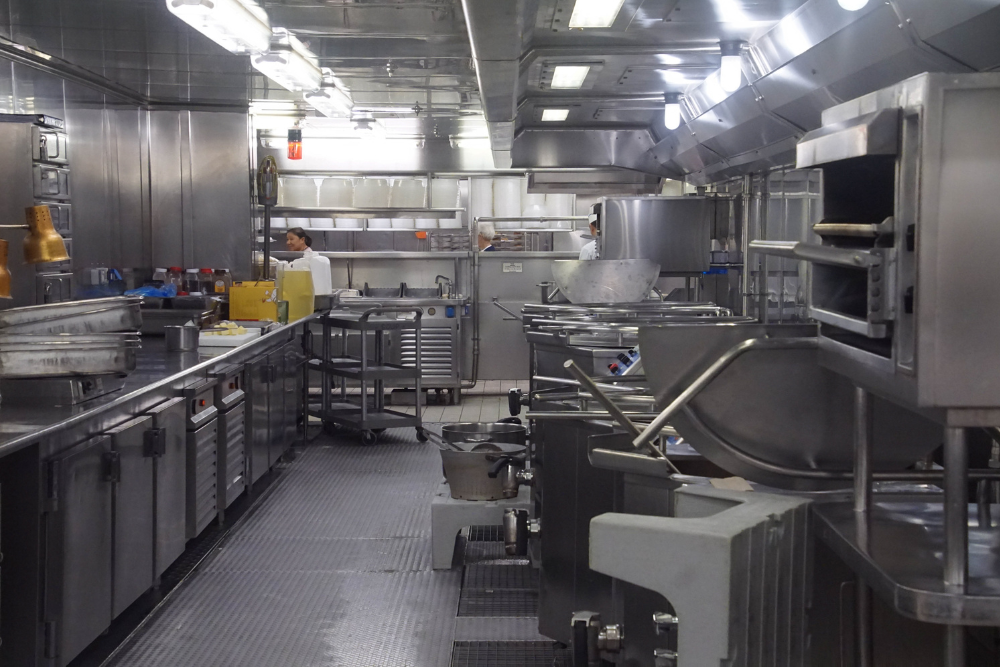
The training focuses on developing practical skills that are relevant to a shipboard environment, including food preparation, kitchen operations, galley safety, hygiene, sanitation, food handling, catering service, housekeeping, teamwork, and professional conduct. Practical training is an important part of maritime catering because working in a ship's galley or hospitality department requires professionals to maintain high standards of cleanliness, efficiency, safety, and service even when operating in a challenging marine environment. Students pursuing a CCMC course can learn about the importance of maintaining food-quality standards, following safe food-handling practices, managing kitchen equipment, supporting meal preparation, maintaining cleanliness, and working efficiently as part of a multicultural crew.
One of the biggest attractions of a CCMC career in the Merchant Navy and cruise industry is the opportunity to work in an international environment. Depending on the vessel and employer, professionals may interact with crew members and guests from different countries and experience international ports and destinations. However, aspiring candidates should understand that a career onboard a cruise ship or other vessel is a professional responsibility and not simply an opportunity to travel. Catering and hospitality teams can have demanding schedules, high service standards, and responsibilities that require discipline, teamwork, physical stamina, attention to detail, and excellent personal hygiene. Professionals may work in different areas such as the galley, pantry, mess, restaurant, housekeeping, food and beverage service, or other hospitality operations depending on their role, vessel type, employer, and qualifications.
A CCMC course in India can therefore provide students with an introduction to the specialised requirements of maritime catering and help them understand the difference between conventional hospitality work and shipboard hospitality operations. Students interested in this career should carefully check the current eligibility requirements, course duration, medical fitness requirements, documentation, certification requirements, and approval status of the institute and programme before admission.
They should also consider whether they are comfortable with the lifestyle associated with working at sea, including spending extended periods away from family, following structured routines, sharing accommodation, working as part of a close-knit team, and adapting to life onboard a moving vessel. For students who have completed their required education and are interested in cruise ship jobs, maritime catering, or shipboard hospitality, CCMC can be an attractive career-oriented training option. At Asha Marine Technical College & Research (AMTCR), aspiring maritime professionals can explore training focused on practical learning, professional discipline, safety awareness, and preparation for careers in the maritime industry.
A strong maritime catering programme should help students develop both hospitality skills and the professional habits required onboard, including punctuality, teamwork, communication, cleanliness, customer service, responsibility, and the ability to work effectively under pressure. After completing the appropriate training and meeting applicable requirements, candidates can explore entry-level opportunities in shipboard catering and hospitality, with career progression depending on their skills, experience, certifications, performance, employer requirements, and available vacancies. With experience, professionals may progress into positions with greater responsibility within catering, food production, food and beverage service, housekeeping, or hospitality management, particularly within cruise and passenger-vessel operations.
The exact career path and designations can vary according to the vessel, company, department, and applicable regulations. For candidates who are passionate about hospitality and want to experience an international work environment, CCMC can be a pathway towards a career beyond traditional hotel and restaurant jobs. Before enrolling, candidates should verify the latest course requirements and regulatory information through the relevant maritime authorities and choose a reputable training institute with appropriate facilities, practical exposure, qualified faculty, and career guidance. With the right training, professional attitude, practical hospitality skills, and commitment to maritime life, CCMC can help aspiring candidates take their first step towards a rewarding career in cruise ship catering, maritime hospitality, food and beverage operations, and passenger-vessel services, opening the door to opportunities both at sea and, with experience, in the wider hospitality and maritime sectors.