
ETO Career Path: From Trainee ETO to Senior ETO
A career as an Electro-Technical Officer (ETO) offers an exciting opportunity for candidates with an electrical, electronics, or related technical background who want to combine their technical expertise with a career in the maritime industry. As modern ships increasingly depend on sophisticated electrical systems, automation, navigation equipment, communication systems, power-management systems, and electronic controls, skilled ETO professionals play an important role in keeping vessels operating safely and efficiently. The ETO career path generally begins with specialised pre-sea training and progresses through onboard experience, required sea service, competency certification, and increasing professional responsibility.
The first stage is typically Trainee ETO, where a candidate who has completed the required pre-sea ETO training begins gaining practical exposure to shipboard electrical and electronic systems. During this stage, trainees work under the supervision of experienced officers and learn how electrical equipment, generators, motors, switchboards, automation systems, alarms, sensors, navigation equipment, and communication systems are maintained and operated onboard. This period is important because it allows trainees to translate their classroom and laboratory knowledge into practical shipboard experience.
After completing the applicable onboard training and requirements, candidates can progress towards certification and employment as an Electro-Technical Officer (ETO), subject to meeting the current regulatory and competency requirements. The ETO is responsible for supporting the safe operation and maintenance of a vessel's electrical and electronic systems and may be involved in preventive maintenance, troubleshooting, fault identification, repairs, inspections, testing, and monitoring of critical equipment.
Depending on the vessel, an ETO may work with electrical power generation and distribution systems, propulsion-related electrical equipment, automation and control systems, electronic equipment, navigation systems, communication equipment, alarms, and other shipboard technologies. Because electrical failures can directly affect vessel operations and safety, an ETO needs strong technical knowledge, attention to detail, problem-solving ability, safety awareness, and the ability to respond calmly during equipment failures or emergencies. With experience and additional sea service, an ETO can progress towards Senior ETO or other higher technical responsibilities, depending on the vessel, shipping company, qualifications, and career structure.
At the senior level, professionals may take greater responsibility for electrical maintenance planning, technical troubleshooting, supervision of maintenance activities, equipment reliability, safety procedures, and coordination with the engineering and deck teams. Career progression is not based on time alone; it depends on meeting applicable certification and competency requirements, gaining relevant sea experience, maintaining medical fitness, completing required training, demonstrating professional competence, and fulfilling employer requirements.
An important part of the ETO career journey is continuous learning because maritime technology is constantly changing. Modern vessels are increasingly using advanced automation, digital monitoring, high-voltage systems, electronic navigation equipment, integrated control systems, and energy-efficient technologies, requiring ETOs to continuously update their technical knowledge. Training in areas such as high-voltage systems, electrical safety, automation, electronics, instrumentation, marine communication, and fault diagnosis can therefore be valuable for long-term professional development. Candidates planning to pursue an ETO course in India should carefully verify the latest eligibility criteria, training requirements, medical standards, certification procedures, and approval status of the institute and programme through the relevant maritime authorities before admission.
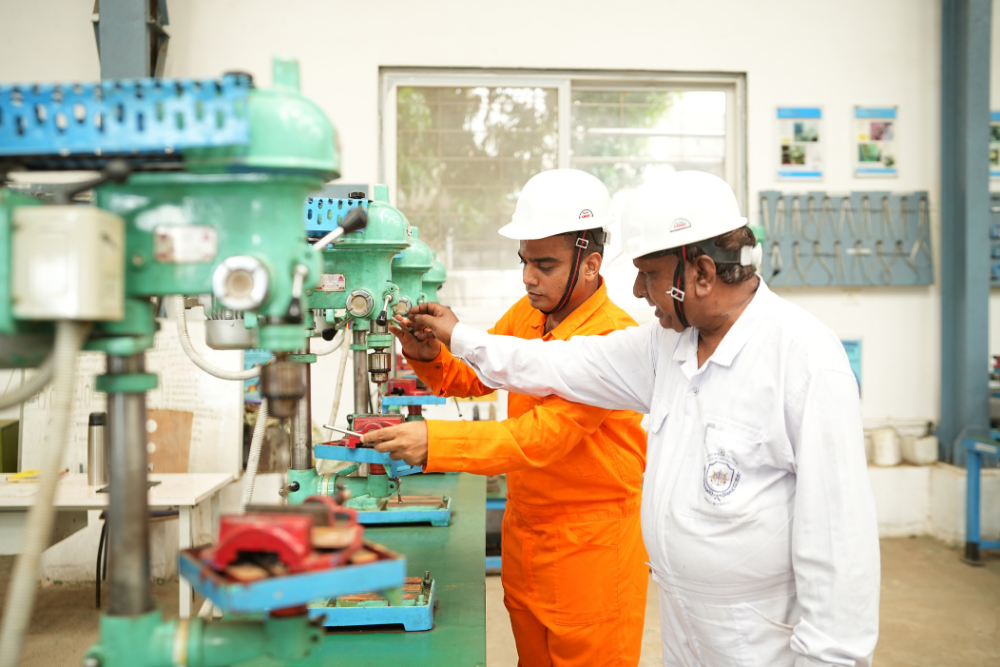
The Directorate General of Shipping (DG Shipping) regulates maritime training and certification requirements in India, while the international STCW framework establishes minimum standards of training, certification, and watchkeeping for seafarers. A quality ETO training programme should therefore combine theoretical electrical and electronics knowledge with practical laboratory work, equipment familiarisation, safety training, simulations, troubleshooting exercises, and professional development. Asha Marine Technical College & Research (AMTCR) provides a maritime learning environment focused on practical skills, technical knowledge, discipline, safety awareness, and preparation for careers in the maritime sector.
For aspiring ETOs, selecting a training institute with suitable practical facilities, qualified faculty, industry-relevant learning, and appropriate regulatory approvals is an important part of starting the career journey. Beyond the onboard career, experienced ETO professionals may also explore shore-based maritime opportunities in areas such as technical management, marine electrical maintenance, fleet support, automation, equipment servicing, marine consultancy, and other technical roles, depending on their qualifications and experience. The transition from sea to shore can provide experienced maritime professionals with opportunities to apply their shipboard knowledge in technical and management environments. Ultimately, the ETO career path is a journey of continuous professional development: Trainee ETO → Electro-Technical Officer → Senior ETO → Advanced Technical or Shore-Based Maritime Roles.
For candidates who enjoy electrical and electronic technology, practical problem-solving, engineering systems, and the unique environment of working at sea, becoming an ETO can be a rewarding career choice. With the right education, practical training, sea experience, certifications, discipline, and commitment to continuous learning, an aspiring trainee can develop into a competent senior maritime electrical professional capable of supporting the complex technological systems that power modern vessels. Before enrolling in an ETO programme, candidates should always check the latest DG Shipping requirements and ensure that the course, institute, medical standards, and certification pathway meet the current applicable regulations.