
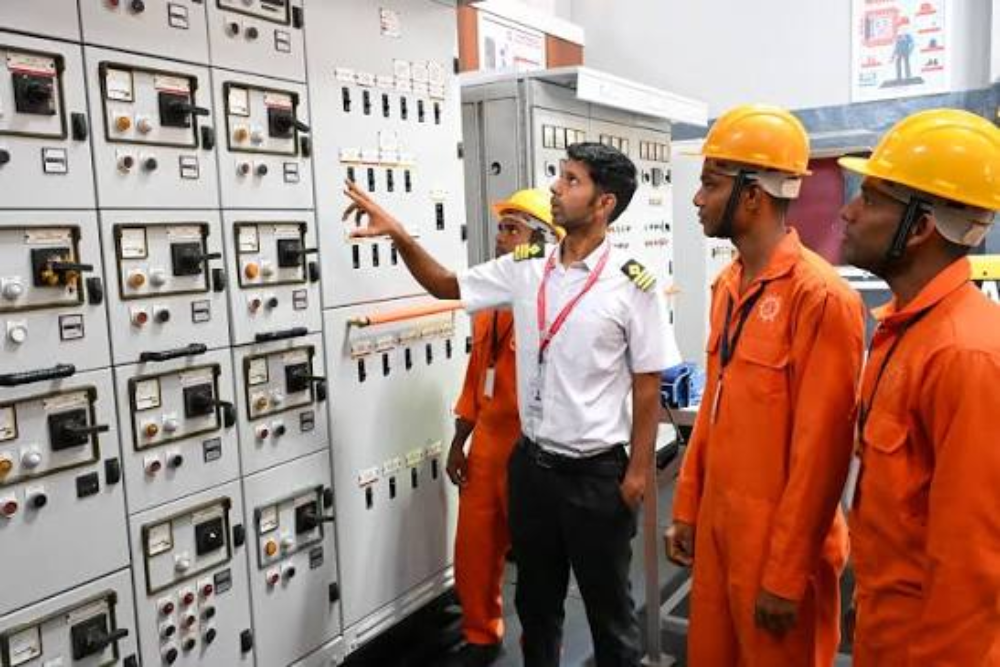
What Is an ETO? Complete Guide to Electro-Technical Officer Career
An Electro-Technical Officer (ETO) is a specialised marine officer responsible for the electrical, electronic, automation, control, and communication systems that are essential to the safe and efficient operation of a modern ship. As vessels increasingly depend on advanced electrical systems, automation, digital navigation equipment, power-management systems, and sophisticated communication technologies, the role of an ETO has become an important part of the modern maritime industry.
An ETO works onboard merchant ships and is involved in maintaining, monitoring, troubleshooting, and repairing electrical and electronic equipment, including power generation and distribution systems, motors, switchboards, automation and control systems, navigation equipment, communication systems, alarms, sensors, and other shipboard electrical installations. The ETO course in India is a specialised pre-sea maritime training pathway for candidates who already have an appropriate electrical or electronics educational background.
The Directorate General of Shipping (DG Shipping) specifies academic pathways for admission to pre-sea ETO training, including relevant 10+2 and diploma/degree qualifications, and its published course information states that pre-sea ETO training is followed by the required onboard training for certification as an Electro-Technical Officer. The role of an ETO is closely connected with the international STCW Convention, which establishes minimum standards of training, certification, and watchkeeping for seafarers, and DG Shipping's ETO training framework is aligned with the competencies required for ETO certification under STCW. During an Electro-Technical Officer course, students can expect to develop knowledge and practical skills related to electrical machines, electrical power systems, generators, motors, switchgear, electrical distribution, automation, instrumentation, control systems, electronic equipment, navigation systems, communication equipment, fault diagnosis, maintenance procedures, and shipboard safety.
Practical training is particularly important because an ETO must be able to identify electrical faults, understand complex systems, carry out maintenance safely, and respond effectively when equipment failures occur onboard. Modern maritime training also places increasing emphasis on high-voltage systems and advanced electrical technologies; DG Shipping has specific training provisions for High Voltage Safety and Switch Gear for ETOs and other relevant engineering personnel working with high-voltage electrical power systems onboard ships.
To pursue an ETO career in the Merchant Navy, candidates should carefully check the latest DG Shipping eligibility requirements because admission criteria, certification procedures, and regulatory requirements can change. Published DG Shipping eligibility information includes routes for candidates with 10+2 qualifications in Physics, Chemistry, Mathematics and English, as well as candidates holding recognised diplomas or degrees in disciplines such as Electrical Engineering, Electronics Engineering, Electrical and Electronics Engineering, Electronics and Telecommunication/Communication Engineering, and Electronics and Instrumentation or equivalent fields. Candidates must also meet applicable medical fitness requirements and complete the required maritime training, onboard sea service, assessments, and certification process before being qualified for service as an ETO.
The career path generally begins with pre-sea training, followed by the required onboard training or sea service and the applicable certification process, after which qualified professionals can work as Electro-Technical Officers onboard commercial vessels. With experience, additional training, and professional development, an ETO can progress towards senior technical responsibilities and may eventually explore shore-based opportunities in areas such as technical management, marine electrical systems, fleet support, maintenance, automation, marine consultancy, and other maritime technical roles. The growing use of electric propulsion, automation, digital systems, hybrid technologies, and advanced shipboard electrical infrastructure is also increasing the importance of professionals who understand marine electrical and electronic systems; DG Shipping has noted the growing relevance of qualified ETOs and ETRs as electric and hybrid marine vessels become more widely adopted. Choosing the right ETO training institute in India is therefore an important step for aspiring candidates.
Students should verify the current approval status of the institute and course, examine the quality of electrical and electronics laboratories, check the availability of practical training equipment and simulators, understand the course duration and admission requirements, review faculty experience, and carefully understand the institute's onboard training and career-support process. DG Shipping provides official information on maritime training circulars, approved institutes, approved courses, and related training requirements, making it important for candidates to verify current information before admission. For students looking for ETO training in Mumbai, Asha Marine Technical College & Research (AMTCR) can be explored as a maritime education option focused on practical learning, technical development, professional discipline, and preparation for careers in the maritime industry.
A strong ETO training programme should go beyond theoretical electrical knowledge and help students develop practical troubleshooting abilities, safety awareness, teamwork, communication skills, and the professional discipline required to work in a demanding shipboard environment. Life as an ETO can involve working with critical electrical systems, responding to equipment faults, carrying out preventive maintenance, following safety procedures, and coordinating with other members of the engineering and deck teams, making technical competence and responsible decision-making essential qualities for the profession.
An ETO career in the Merchant Navy can therefore be an excellent option for candidates with an electrical or electronics background who are interested in combining their technical education with a specialised maritime career. If you have the required academic background, are medically fit for seafaring, and are interested in electrical systems, automation, marine technology, and working onboard ships, an ETO course can provide a pathway towards a technically challenging and globally oriented career. Before enrolling, candidates should always confirm the latest DG Shipping eligibility criteria, course approval, medical standards, training requirements, sea-service requirements, and certification procedures through official sources.
With the right education, practical training, onboard experience, and professional development, an Electro-Technical Officer can build a rewarding career supporting the electrical and technological systems that keep modern ships operating safely and efficiently.